Synthetic summary
Elon Musk lost this round against OpenAI because the case was filed too late, not because the deeper debate was fully settled. The verdict strengthens OpenAI while leaving questions about its original mission unresolved.
Elon Musk vs OpenAI: A Loss That Almost Looks Like a Draw
Elon Musk lost against OpenAI. Well… yes, but not exactly in the dramatic movie-ending way where everyone stands up and applauds the winner.
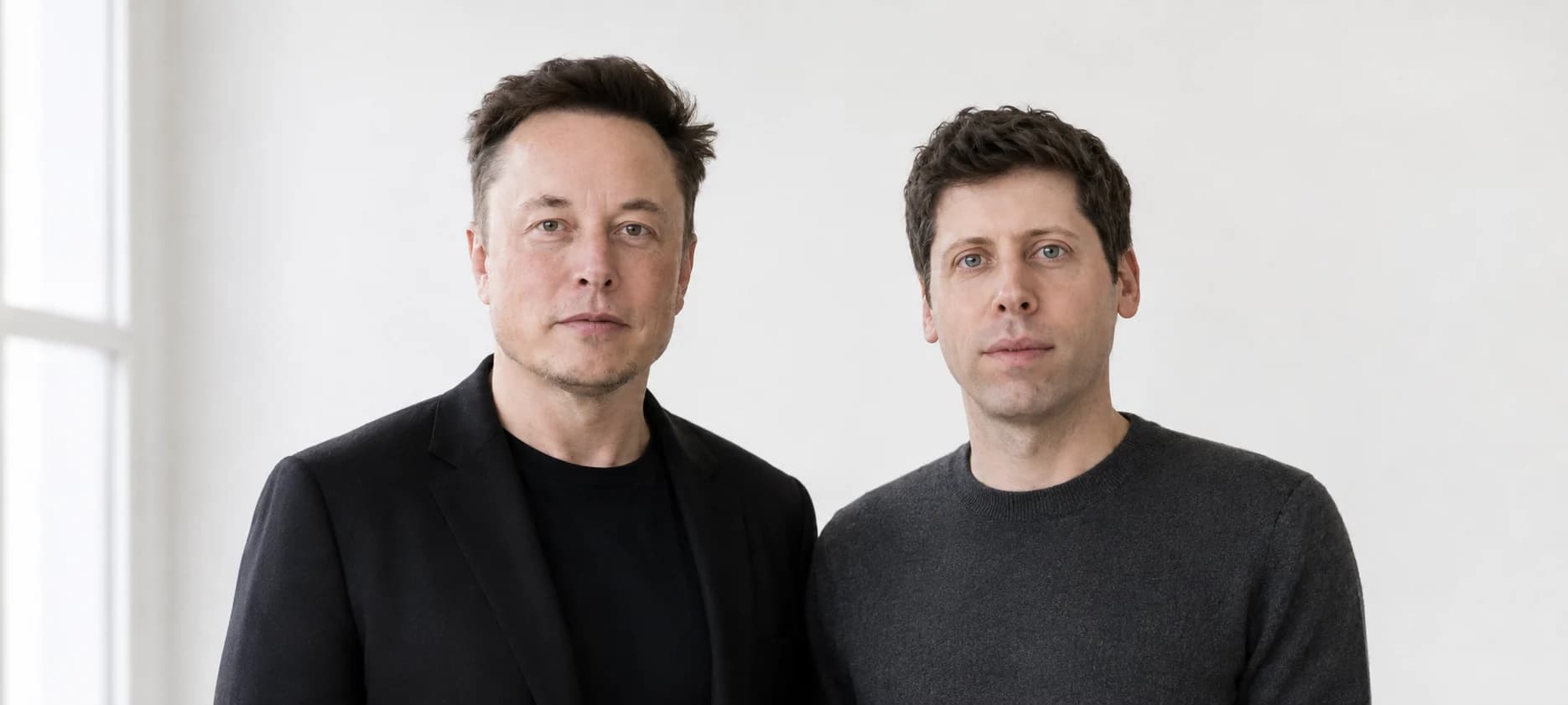
On May 18, 2026, a federal jury in California sided with OpenAI, Sam Altman, Greg Brockman, and Microsoft in the lawsuit brought by Elon Musk. On the legal scoreboard, the result is clear: Musk lost this round. But the reality is a little more nuanced.
The decision mainly came down to timing. The jury found that Musk had filed his claims too late. In other words, the court did not fully answer the bigger question: did OpenAI betray its original mission? It mostly decided that Musk had waited too long to challenge the company’s evolution.
It is a bit like trying to dispute a goal after the final whistle. The argument may be interesting, but the referee checks the clock first.
What Musk accused OpenAI of doing
Elon Musk’s core argument was that OpenAI had changed its nature. The organization was originally created with a strong ambition: to develop artificial intelligence for the benefit of humanity, in a nonprofit spirit.
According to Musk, OpenAI gradually moved away from that mission. Too commercial, too close to Microsoft, too different from the original idea. He also accused Sam Altman and Greg Brockman of benefiting from that transformation.
Musk’s message was simple: OpenAI was supposed to be a public-interest project, but became a major commercial player.
What OpenAI argued in response
OpenAI defended a very different version of the story. The company argued that Musk had known about its evolution for years. Building advanced AI models is extremely expensive, and OpenAI’s position is that a structure capable of raising large amounts of capital was necessary.
The defense focused on one key point: Musk could not wait several years before challenging a transformation he already knew about.
That argument ended up carrying major weight in the final decision.
A win for OpenAI, but not a knockout
OpenAI won. Legally, there is not much room for debate. Sam Altman remains in place, the company comes out stronger, Microsoft avoids liability, and a major risk disappears.
But it is not the kind of victory that makes every question go away.
The court did not fully settle the deeper debate. It did not clearly say: “OpenAI has remained perfectly faithful to its original mission.” It mostly said: “This lawsuit came too late.”