
Synthetic summary
Nvidia introduces RTX Spark, a hardware platform designed to run large AI models and agents locally on Windows PCs without relying on the cloud.
Nvidia Spark: the new promise of the local AI PC
For years, the personal computer has slowly been losing its central role.
It remains essential. We open it every day, we work on it, we code on it, we write on it, we edit videos on it, we take calls on it, and sometimes we keep far too many tabs open on it. But part of its power has moved elsewhere.
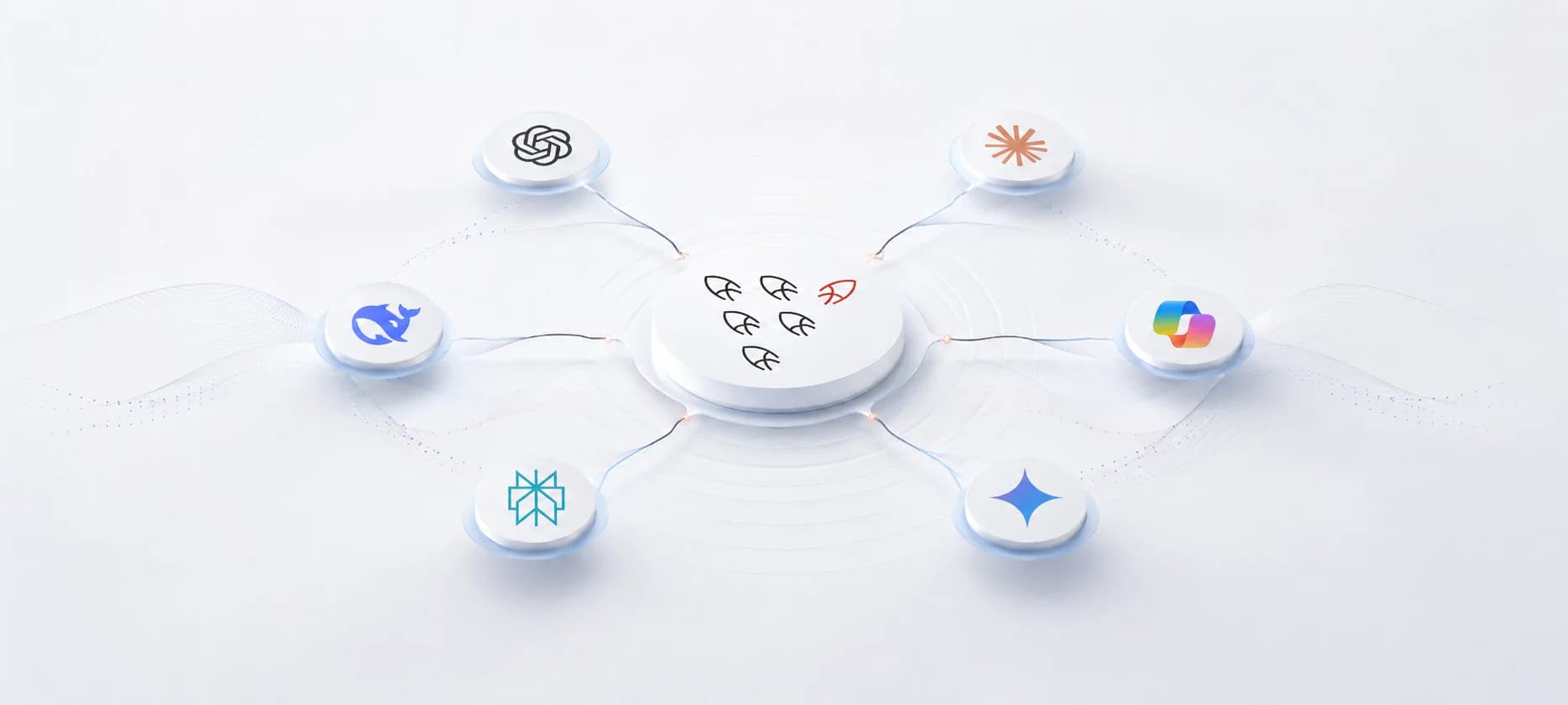
Our files are in the cloud. Our software runs in the browser. Our emails, documents, work tools, and even our AI assistants often run on remote servers. When we use ChatGPT, Claude, Gemini, or Copilot, the intelligence is not really running inside our computer. It is running in data centers.
With RTX Spark, Nvidia wants to tell a different story.
The company is introducing a new platform designed for Windows PCs capable of running AI models, agents, creative workflows, and complex tasks locally, without relying entirely on the cloud.
In other words: Nvidia wants to turn the PC into a personal mini data center.
The return of the powerful PC, AI edition
RTX Spark targets high-end Windows PCs, whether laptops or compact machines, capable of running demanding AI workloads directly on the device.
On paper, the proposition is ambitious: up to 128 GB of unified memory, a Blackwell architecture, 20 Arm CPU cores, AI performance announced around the petaFLOP level, and Windows integration to run personal agents. Nvidia describes it as a PC built for the era of AI agents: assistants capable of understanding a request, using tools, manipulating applications, and working on long tasks. [Source: Nvidia / Microsoft]. The formula checks every box of a Nvidia keynote: performance, AI, agents, the future of computing, a new platform.
Behind the marketing, the move still deserves attention. Until now, personal AI has mostly developed as a service. You pay for a subscription, send a request, and a remote model responds. The end user rarely owns the computing power. They rent access. Aware that the future is probably in local AI, Spark pushes another logic: bringing part of that power back into the personal machine.
If a computer can run large models locally, it can process sensitive documents without sending them to the cloud. It can respond faster on certain tasks. It can work with specialized models. It can become a much more autonomous environment for development, creation, or automation.
The real question is therefore about the evolution of the PC itself: what does a personal machine become when it can directly execute part of artificial intelligence?